
Alternative Investments: The Ultimate Diversifier
How To Build A Recession Resistant Portfolio

Collectibles
For me this combines passion with profit. I collect sport and movie memorabilia. I bought this Alex Ovechkin jersey ten years ago for $500.
Since I bought it Ovechkin has become the all-time NHL leader in goals, passing the greatest hockey player of all time Wayne Gretzky. Because of that accomplishment this is now worth $3,000. That’s a 600% return which is better than Meta and Google.

Other collectible items include art and wine. I don’t collect either because art can be faked and I don’t drink wine. But that doesn’t mean there isn’t big money to be made. In 2017 the painting Salvator Mundi by Leonardo Da Vinci (although the painter is debated) sold for $450 million.
The problem with collectibles is the market for them isn’t liquid. You have to find the right buyer that can afford whatever item you have. It’s not as easy as listing on eBay and having dozens of offers come in. Collectibles also provide no income source so it’s a pure capital appreciation play which may not fit investor’s goals.
Luxury Watches
Many people say expensive jewelry is all in vain. Perhaps there’s a kernel of truth to that but you can’t deny a nice watch is eye-catching.
I bought this Submariner Rolex six years ago for $11,000 today it’s worth about $20,000. Almost 100% return in six years is pretty good. Plus the watch is nice to look at.
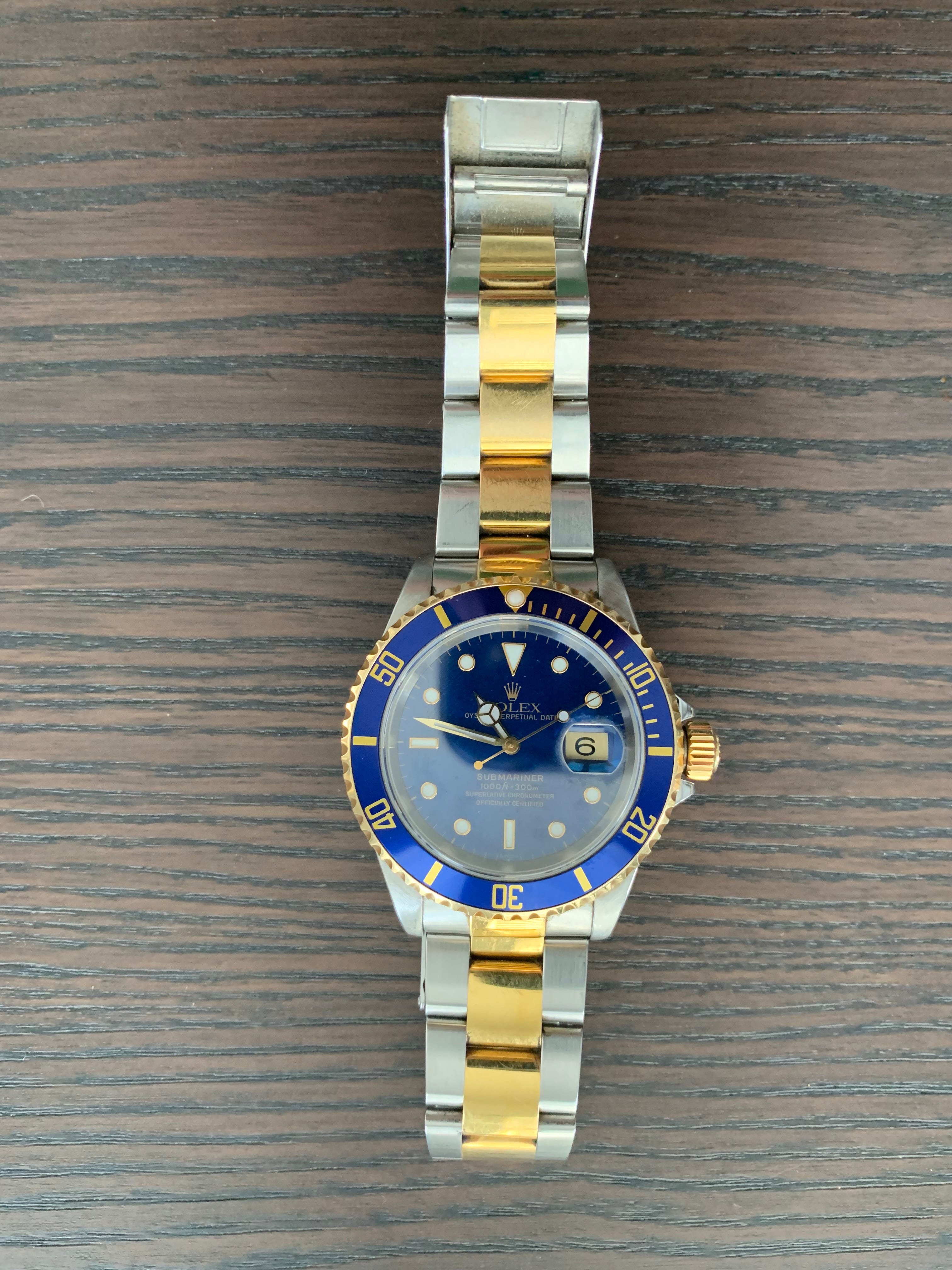
But quite honestly I might pass something like this down to my son. It becomes a family heirloom and the longer I have it the more stories come along with the inheritance.
Watches, like collectibles, aren’t correlated with stocks, bonds, or real estate so they are a unique way to add diversification to your portfolio. They have a better secondary market than art or memorabilia because watch dealers are always looking for inventory.
The drawback, similar to collectibles is they don’t provide an income stream.
A quick reminder if you become a paid subscriber here are the benefits:
Private chat where you can ask me questions about investing, the economy, or personal finance
Access to our Discord community where we break down in depth what’s happening in the market
Custom charts portfolio managers use to manage $400 million investment funds
Full access to all Substack articles
Infrastructure
The demand for infrastructure is going to explode over the next 10 years. In order for countries to go green they’ll need to replace old infrastructure and build out new ones. Think about AI data centers, charging stations for EVs, energy efficient buildings which are just a few examples.
What I love about this play is these investments are recession resistant. Even during downturns you’re still heating your home, using electricity, trade is still happening, and companies like Microsoft will still spend billions on AI.
The proof is in 2022 when the S&P 500 was down 18% but infrastructure funds we’re up about 4%.
There are a few challenges with infrastructure to be aware of. You need to have a lot of confidence in the fund manager because these assets can be hard to value. How do you quantify the value of a pipeline? The managers really need to know what they’re investing in.
The assets themselves can also take years to monetize properly. Building an AI data center can take a year and harvesting the fruits can take another year or two.
Cryptocurrencies
Admittedly my opinion on crypto has changed for the better over the last 18 months. Bitcoin was first introduced in 2009 so chronologically it’s not a new technology. However adoption didn’t really gain traction until about 2015.
Even then it was mainly used for illegal purposes and speculation. Both aspects I avoid.
Over the last few years blockchain technology has proven useful in many industries such as healthcare, banking, and even law enforcement.
When I worked at a bank I knew all the accounts police offers used for undercover work. Paying informants, buying items for investigations, and white hat phishing attempts would run a lot smoother if transactions remained anonymous.
I see crypto as a legit option to combat inflation which so far governments of developed economies have yet to solve. El Salvador faced hyper inflation for years and within the last few years adopted Bitcoin as a national currency.
It’s still too early to see the benefits but other countries like Argentina are considering a similar move.
My concern with cryptocurrencies is they mostly fail what a currency is meant to do
Act as a unit of measurement
Act as a store of value
Act as a medium of exchange
There just simply isn’t enough adoption yet for me to buy gas or groceries with Bitcoin. I would also argument against it’s ability to act as a store of value evident by the violent swings crypto experiences.
Now quite frankly I have no idea if any of these investments are appropriate specifically for you. But they are absolutely worth taking a look. I suggest doing your own research and if you have any questions you can also message me on our private chat.
Until then happy investing
You were talking me into buying a Rolex
Infrastructure and Bitcoin is an awesome combo